
How Professional Traders Actually Read the Market (Step-by-Step Framework)

Richard O Zamora III, CMT • April 14, 2026

Share this article

How Professional Traders Actually Read the Market (Step-by-Step Framework)

Professional traders do not rely on guesswork, constant activity, or random setups. They follow a structured process to evaluate the market before making decisions. Here is how that framework works.

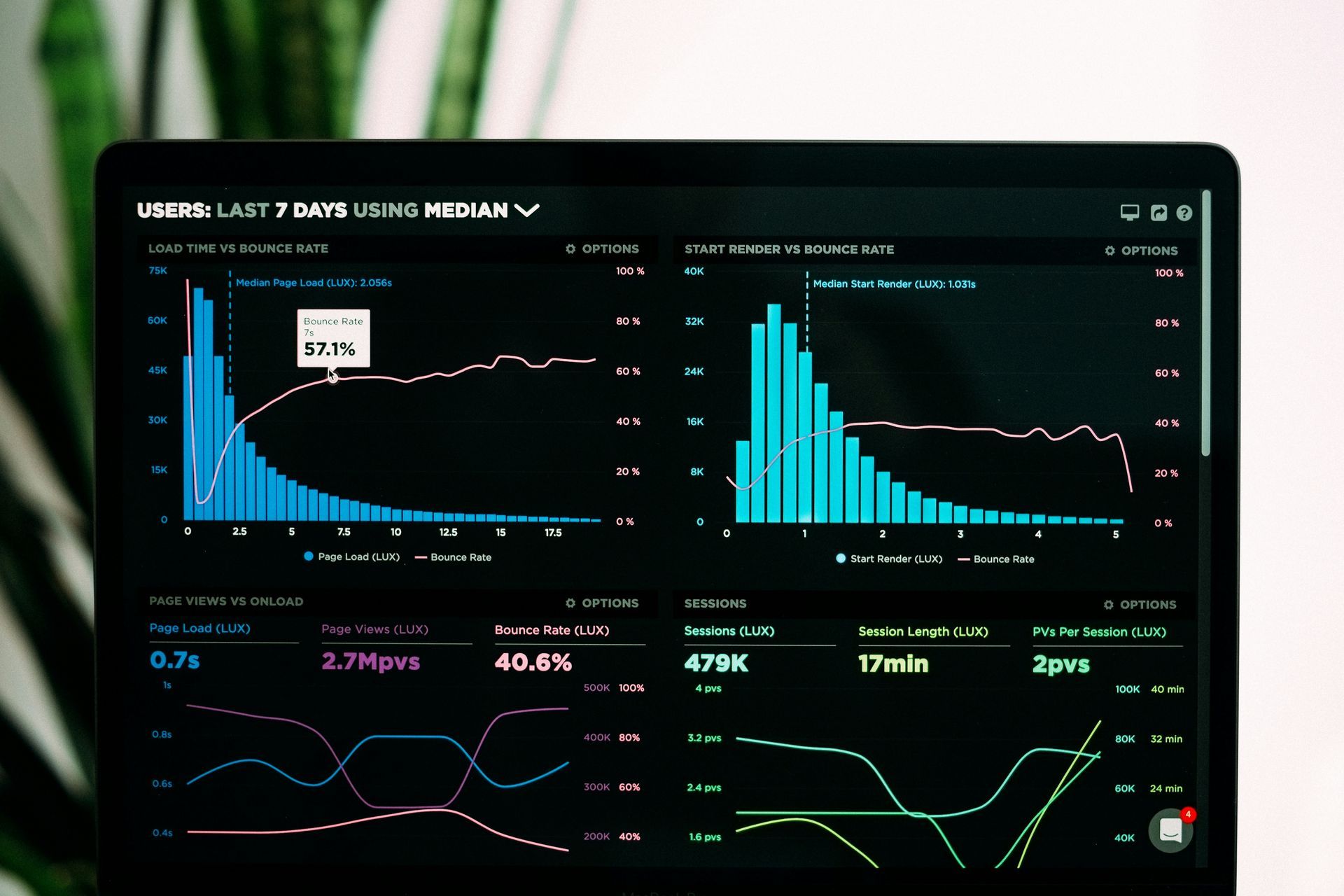
Professional trader analyzing structured market data and price charts

Introduction

Most traders assume professionals have better entries.

They imagine professionals:

  • Use better indicators
  • See something others do not
  • React faster than everyone else

But that is not what separates them.

The real difference is that professional traders follow a structured evaluation process before they ever think about entering a trade.

The Core Difference: Evaluation Before Execution

Most traders start with execution.

They ask:

  • Where should I enter?
  • Is this a buy or a sell?
  • What should my stop be?

Professional traders start somewhere completely different.

They evaluate the environment first, and only act when conditions align.

That is what creates consistency—not prediction, but proper evaluation.

The Professional Framework

At a high level, professional traders read the market through three core layers:

Step 1: Structure
Is the market trending, ranging, or transitioning? This defines which types of trades are even valid.
Step 2: Participation
Is there real strength behind the move, or is the market drifting? This determines whether movement is meaningful.
Step 3: Volatility
Is the market expanding with opportunity or compressing into noise? This affects timing, selectivity, and risk.

These three layers work together to determine whether a trade idea is worth considering at all.

What This Framework Changes

Once a trader begins using this kind of structure, everything starts to shift.

  • They stop forcing trades in poor conditions
  • They recognize when the market offers no edge
  • They align their actions with the environment
  • They become more selective, not more active

This is the shift from reacting to operating with intention.

Why Most Traders Never Learn This

Most trading education skips this step entirely.

Instead, traders are taught:

  • Entry patterns
  • Indicator signals
  • Short-term setups

But without context, those tools become inconsistent.

That is why many traders stay stuck—not because they lack effort, but because they were never shown how to evaluate the market properly.

This is also why so many traders remain trapped in cycles of inconsistency. If you have not already, review why most traders fail and what they tend to overlook.

Why This Matters for Serious Traders

Serious traders do not improve by collecting more setups.

They improve by learning how to judge when participation is valid, when structure supports action, and when volatility justifies risk.

In other words, they learn how to make fewer but better decisions.

Final Thought

Professional trading is not about doing more.

It is about understanding when to act, when to wait, and when to stay out completely.

And that only comes from having a structured way to read the market before making decisions.

Related Reading

If you want to strengthen your decision-making foundation, start here:

Why Most Traders Fail (And It’s Not What You Think)

The #1 Mistake Beginner Futures Traders Make

Serious traders do not improve by collecting more setups. They improve by building a stronger framework for evaluating the market and making decisions under real conditions.

Trader Assessment

Learn How You Currently Read the Market

If you want to improve your trading, the first step is understanding how you currently evaluate the market. A structured assessment can help identify what is missing and what needs to change.

Start Your Trader Assessment
Recent Posts

Beginner trader learning futures trading on laptop with charts and notes
By Richard O. Zamora III, CMT April 14, 2026
The biggest mistake beginner futures traders make isn’t strategy—it’s trading without market context. Learn how to avoid costly errors.
Trader analyzing losing trades on multiple screens with red candlestick charts
By Richard O. Zamora III, CMT April 13, 2026
Most traders don’t fail from lack of effort—they fail from lack of market context. Learn what’s really causing inconsistent trading results.
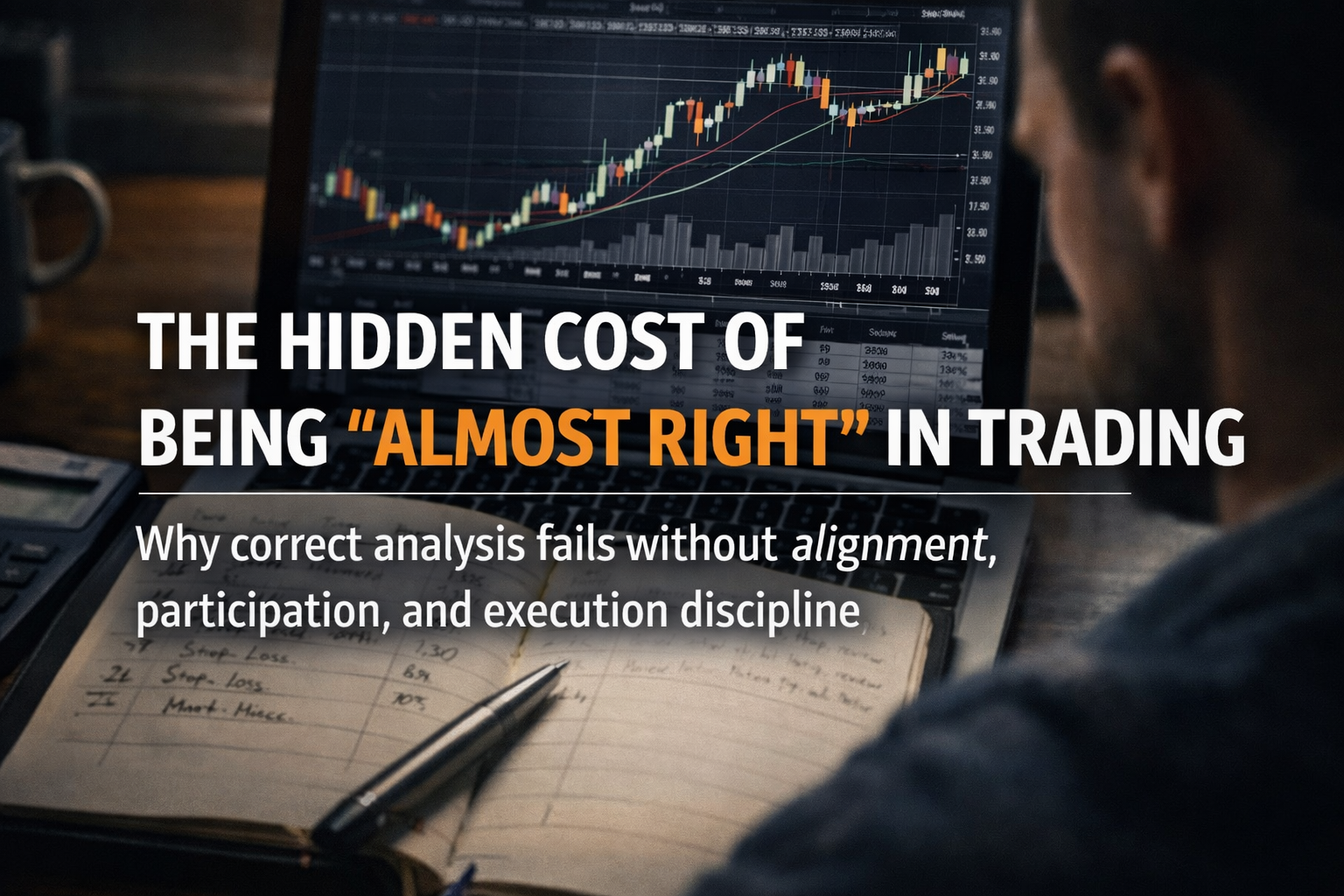
Trader reviewing charts and notes after a stopped-out trade despite correct market direction
By Richard O. Zamora III; CMT January 11, 2026
Why correct market analysis still loses money. Learn how alignment, participation, and execution separate pros from frustrated traders.
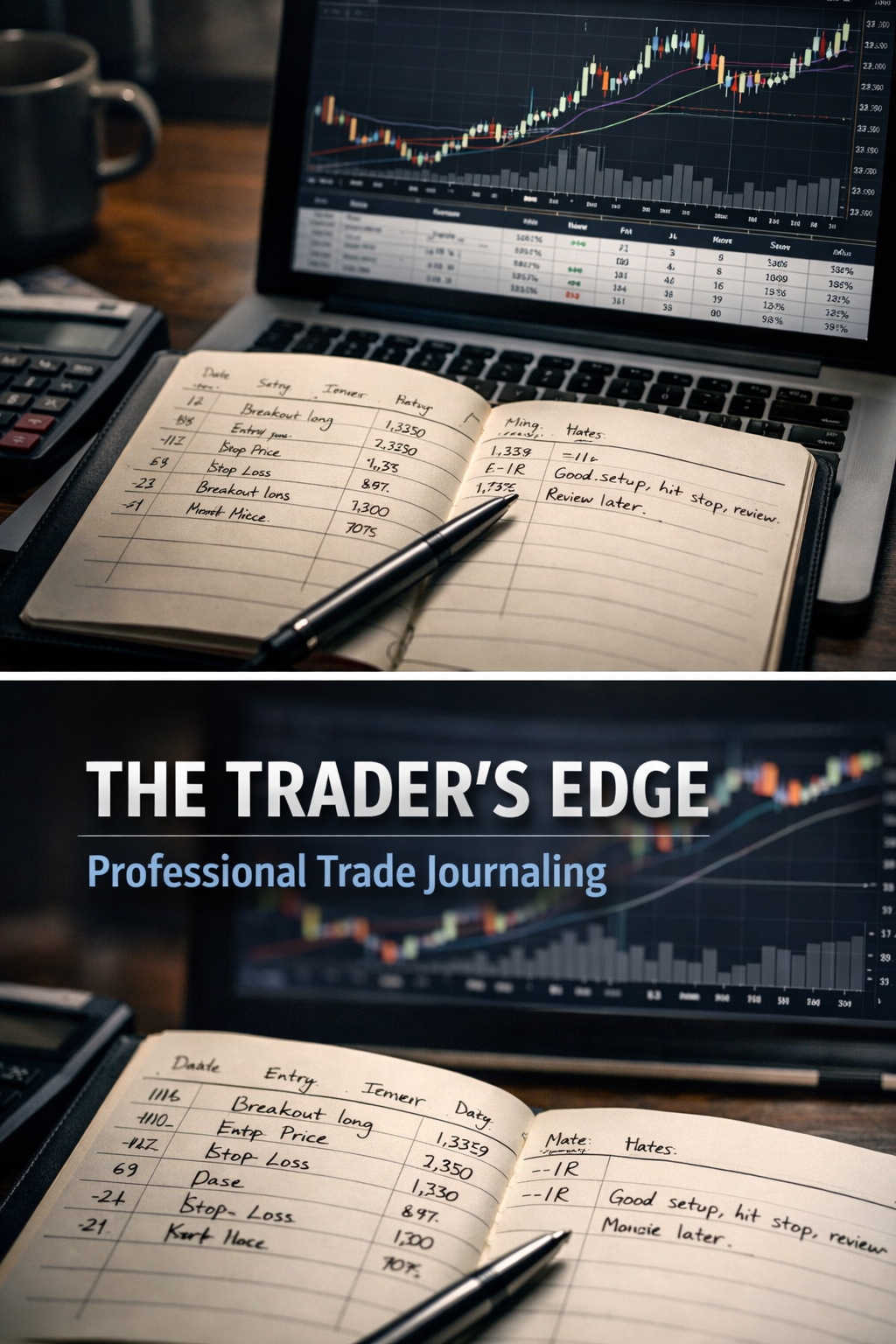
Professional trade journal open beside a laptop chart for tracking execution and performance
By Richard O. Zamora III: CMT January 11, 2026
Learn how to build a professional trade journal that measures decisions, tracks R-multiples, and improves consistency through structured review.
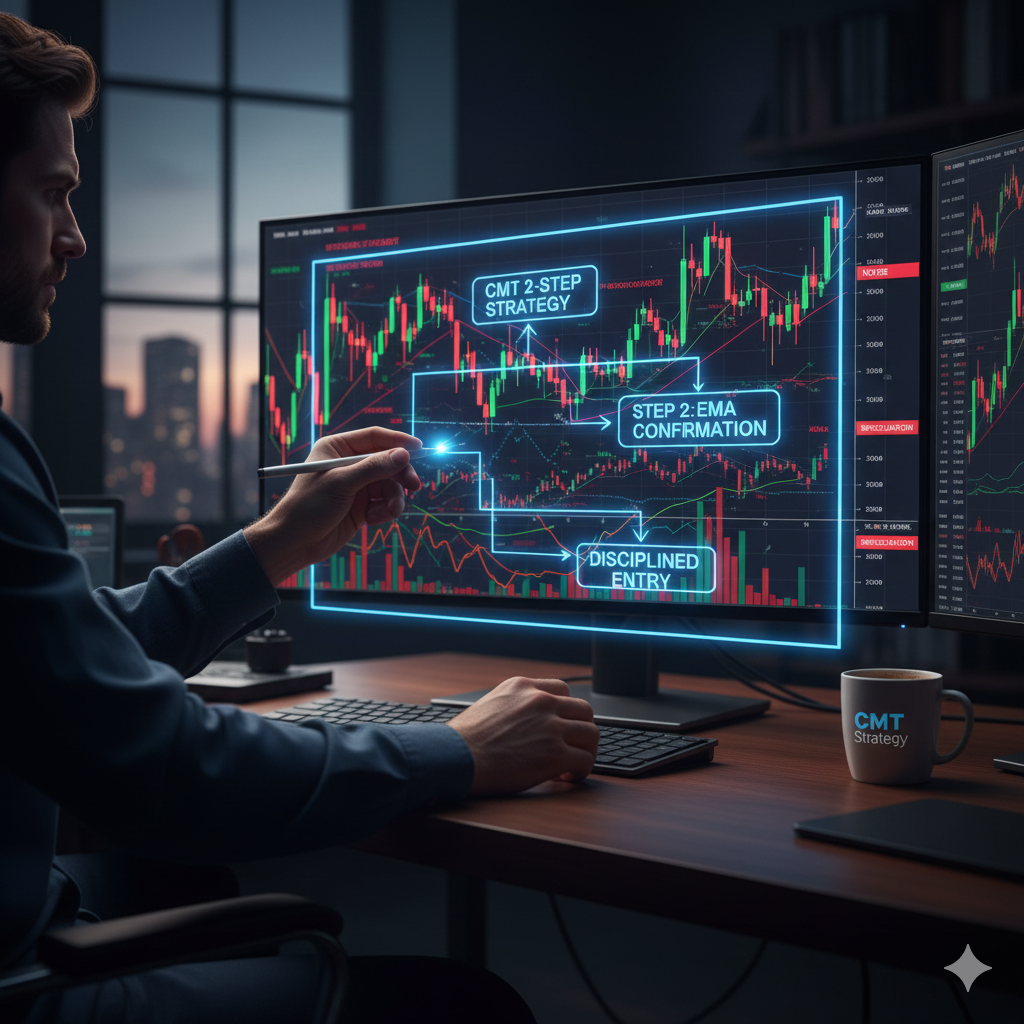
CMT Futures Chart: 2-Step Reversal Strategy with RSI Divergence and EMA confirmation
By Richard O. Zamora III; CMT December 13, 2025
Master futures market reversals. Learn the 2-step CMT-backed strategy using divergence and EMA confirmation for disciplined, rules-based entries
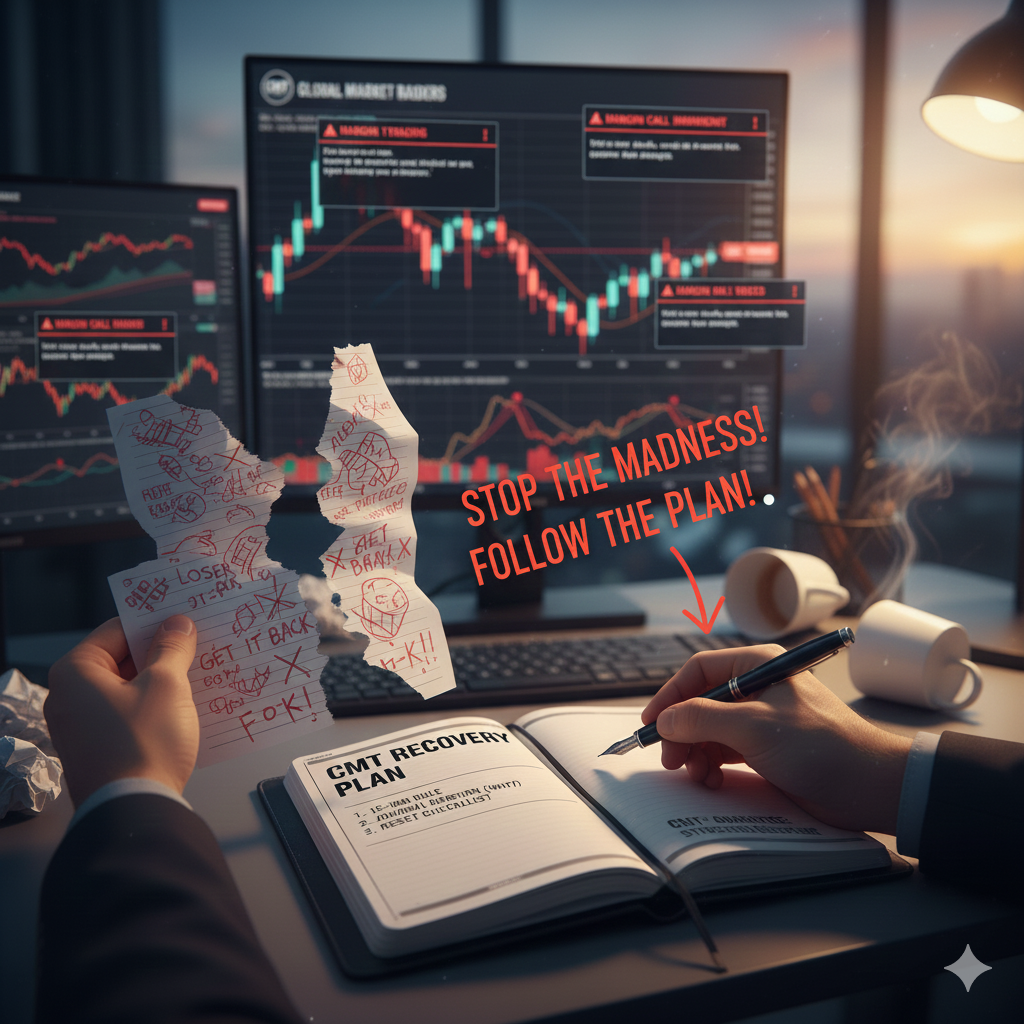
CMT Recovery Plan journal showing transition from emotional Revenge Trading to Guaranteed Discipline
By Richard O. Zamora III; CMT December 13, 2025
Stop emotional trading! Get the CMT Trader's Recovery Plan. Learn the mandatory routine to halt revenge trading and guarantee psychological control.
Professional multi-monitor trading desk displaying Micro E-mini (MES, MNQ) and E-mini futures charts
By Richard O. Zamora III; CMT December 13, 2025
Unlock Micro E-mini Futures (MES/MNQ) for smaller accounts. Apply transferable CMT principles and a structured plan to safely scale your trading.
WTI Crude Oil futures charts on a screen with an oil refinery and global map in the background.
By Richard O. Zamora III; CMT November 14, 2025
Trade WTI Crude Futures systematically. Learn counter-trend setups, manage high volatility with ATR sizing, and trade around EIA inventory reports.
Systematic day trading setup showing screens with NASDAQ NQ futures charts and a high-tech graphic.
By Richard O. Zamora III; CMT November 14, 2025
Master NASDAQ Futures (NQ/MNQ) with a systematic checklist. Use VWAP and EMAs for momentum trades and calculate your true edge using Expectancy.
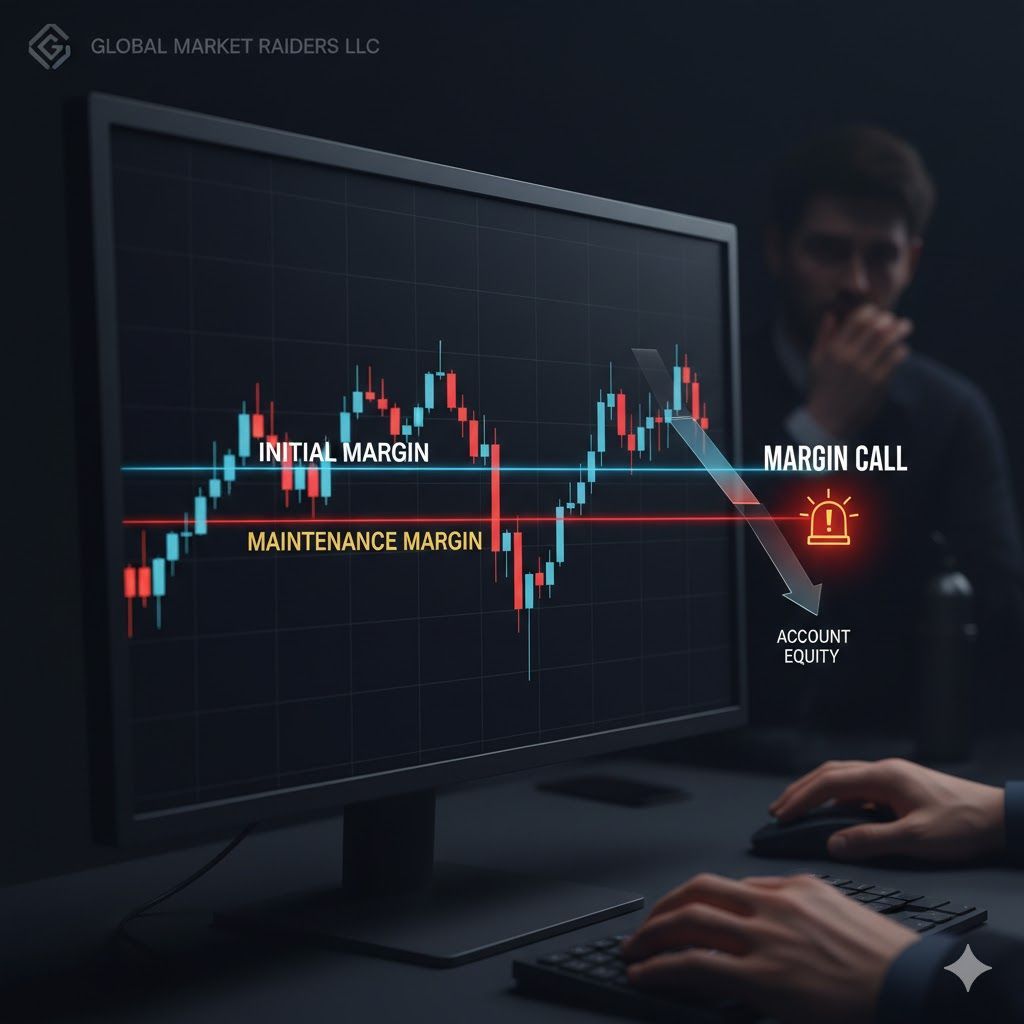
Chart showing Initial Margin, Maintenance Margin, and a Margin Call alert for futures trading.
By Richard O. Zamora III; CMT November 9, 2025
Avoid margin calls! Understand the critical difference between Initial Margin and Maintenance Margin in futures trading. Learn to manage risk for E-mini contracts.
Show More