


Learn how professional traders read the market using structure, participation, and volatility to make consistent trading decisions.
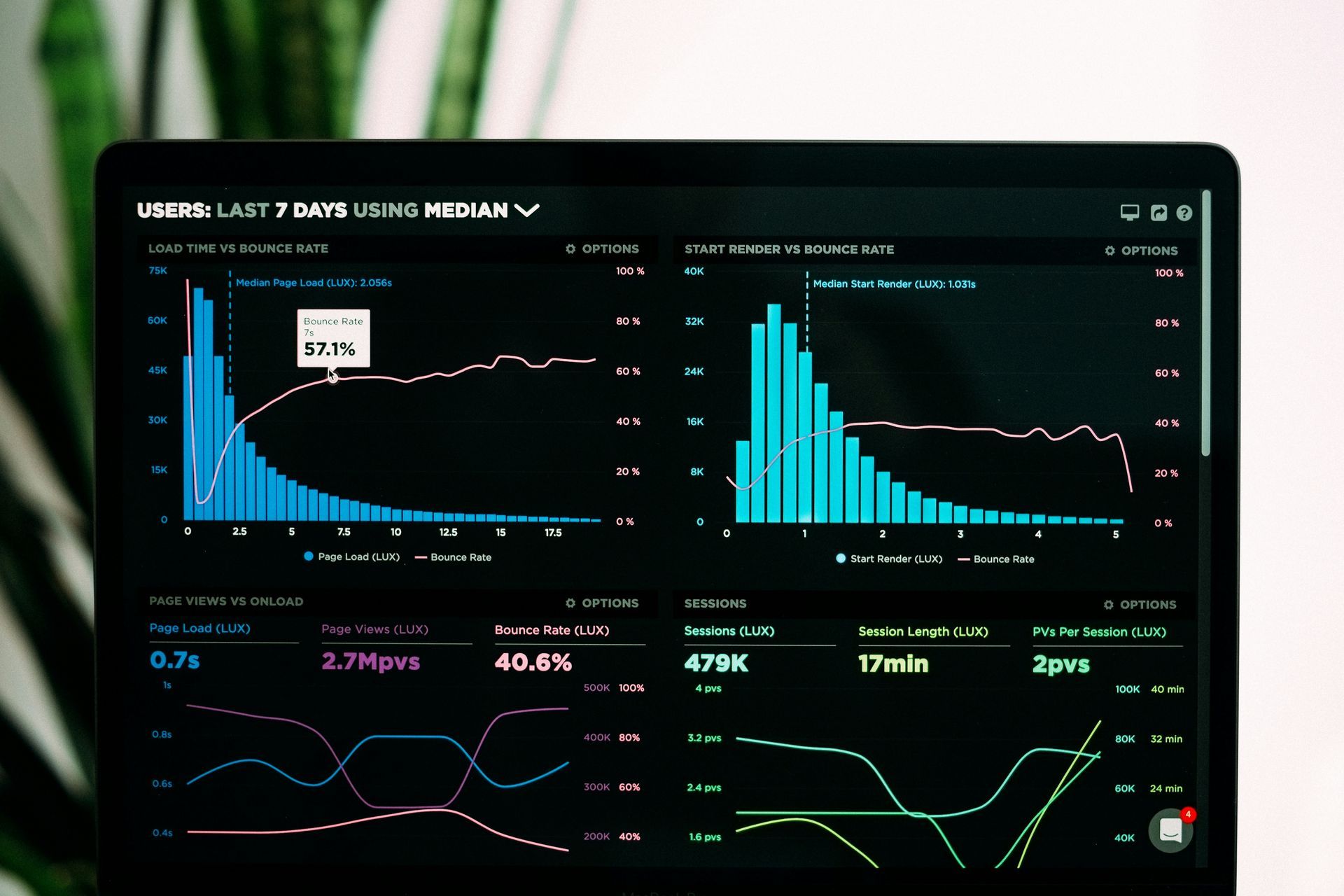
The biggest mistake beginner futures traders make isn’t strategy—it’s trading without market context. Learn how to avoid costly errors.
Most traders don’t fail from lack of effort—they fail from lack of market context. Learn what’s really causing inconsistent trading results.

Why correct market analysis still loses money. Learn how alignment, participation, and execution separate pros from frustrated traders.
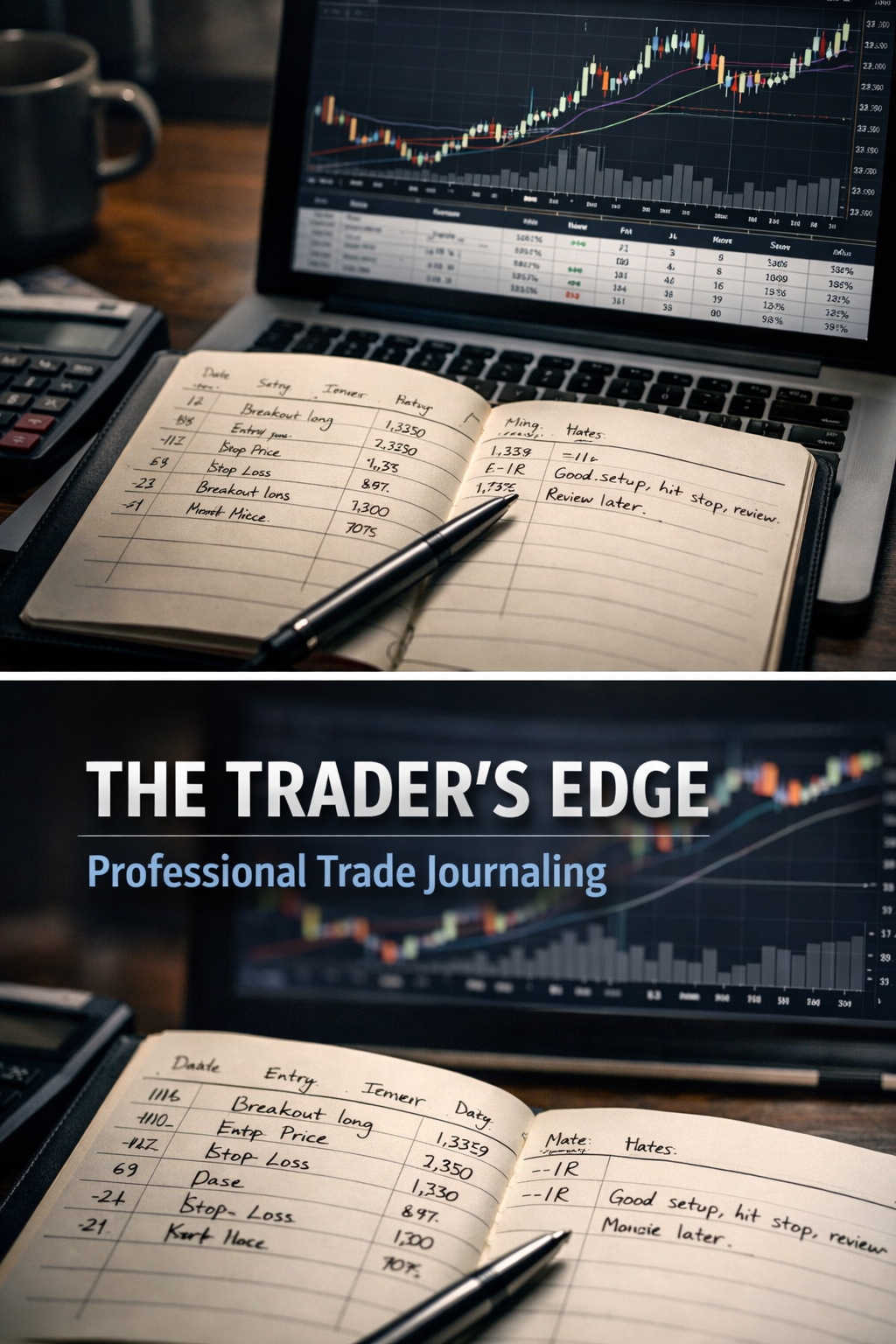
Learn how to build a professional trade journal that measures decisions, tracks R-multiples, and improves consistency through structured review.

Stop emotional trading! Get the CMT Trader's Recovery Plan. Learn the mandatory routine to halt revenge trading and guarantee psychological control.
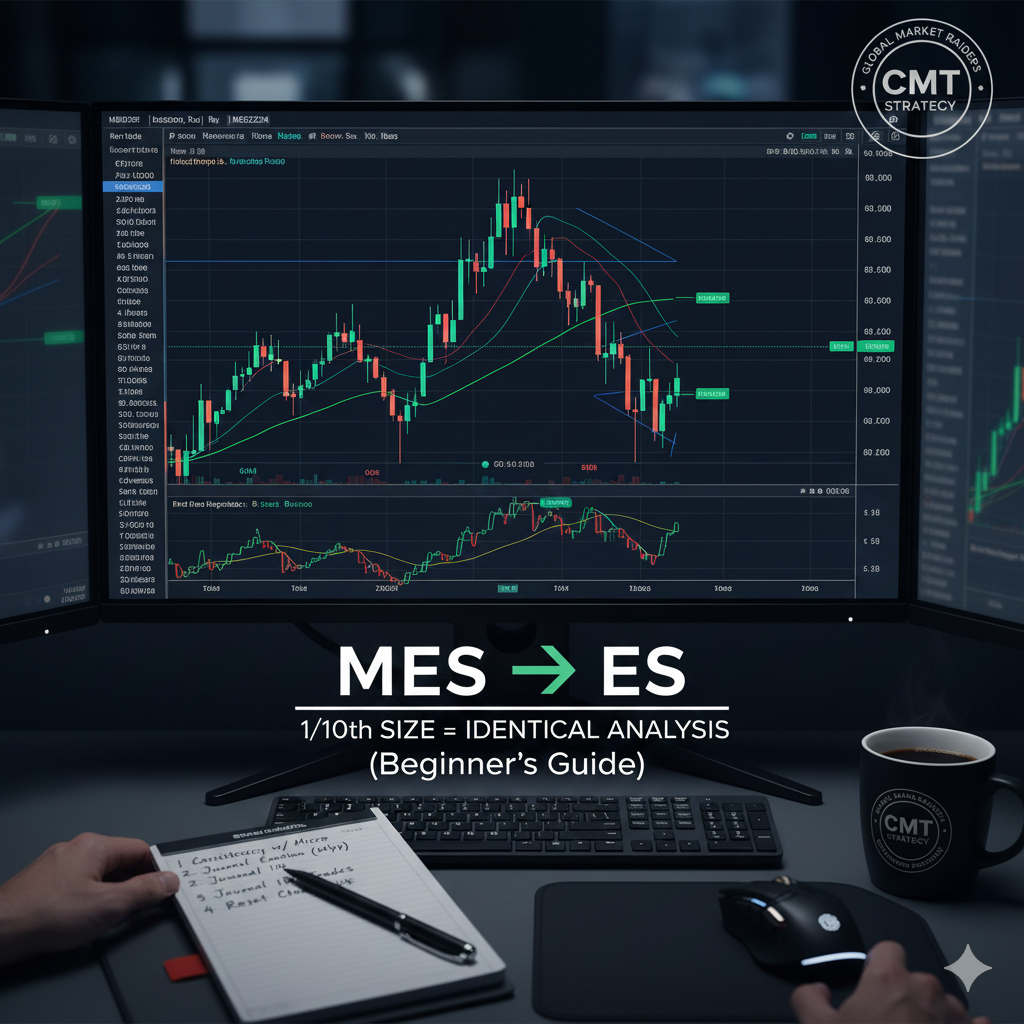
Unlock Micro E-mini Futures (MES/MNQ) for smaller accounts. Apply transferable CMT principles and a structured plan to safely scale your trading.

Trade WTI Crude Futures systematically. Learn counter-trend setups, manage high volatility with ATR sizing, and trade around EIA inventory reports.

Master NASDAQ Futures (NQ/MNQ) with a systematic checklist. Use VWAP and EMAs for momentum trades and calculate your true edge using Expectancy.
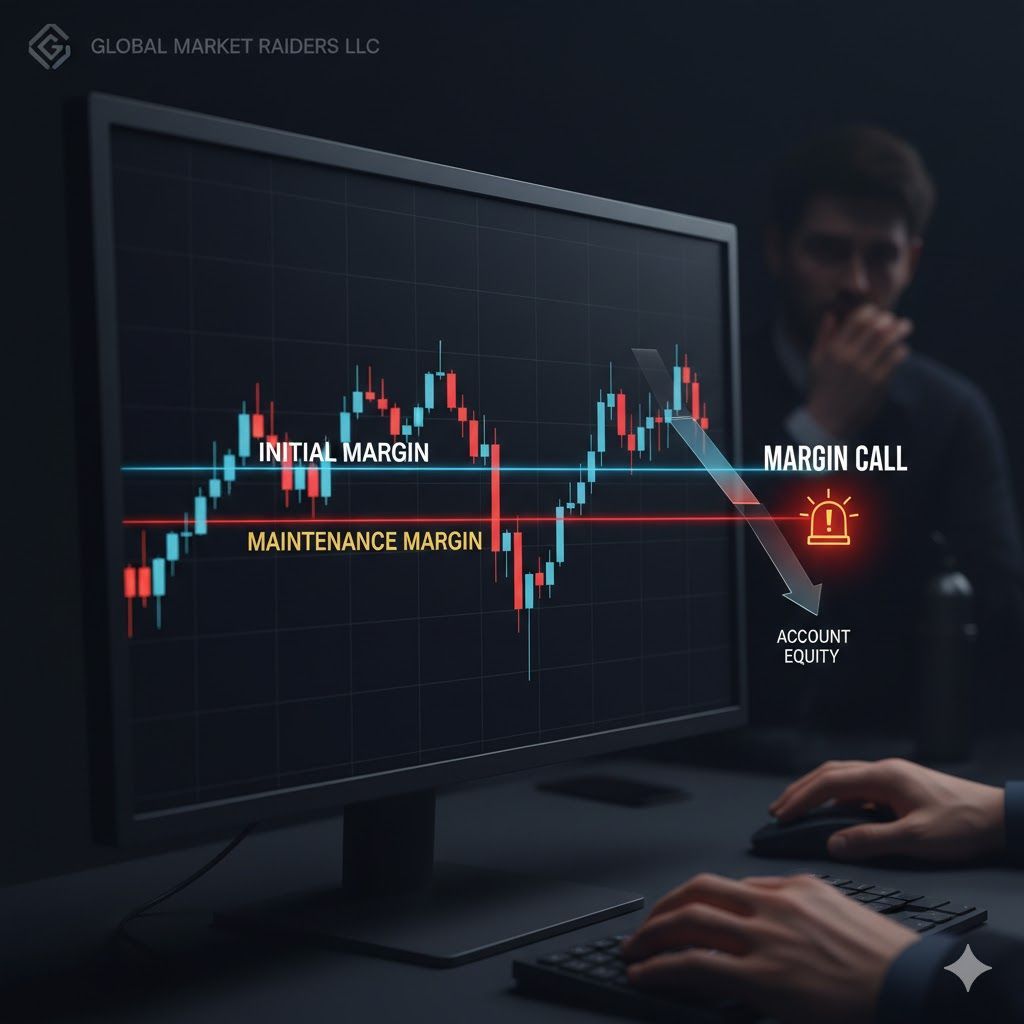
Avoid margin calls! Understand the critical difference between Initial Margin and Maintenance Margin in futures trading. Learn to manage risk for E-mini contracts.