
The Hidden Cost of Being “Almost Right” in Trading

Richard O. Zamora III; CMT • January 11, 2026

Share this article

Why correct analysis fails without alignment, participation, and execution discipline

Trading Insight • Market Structure • Execution

The Hidden Cost of Being “Almost Right” in Trading

Why correct analysis fails without alignment, participation, and execution discipline

Global Market Raiders Professional Trading Education Estimated read time: 5–7 minutes
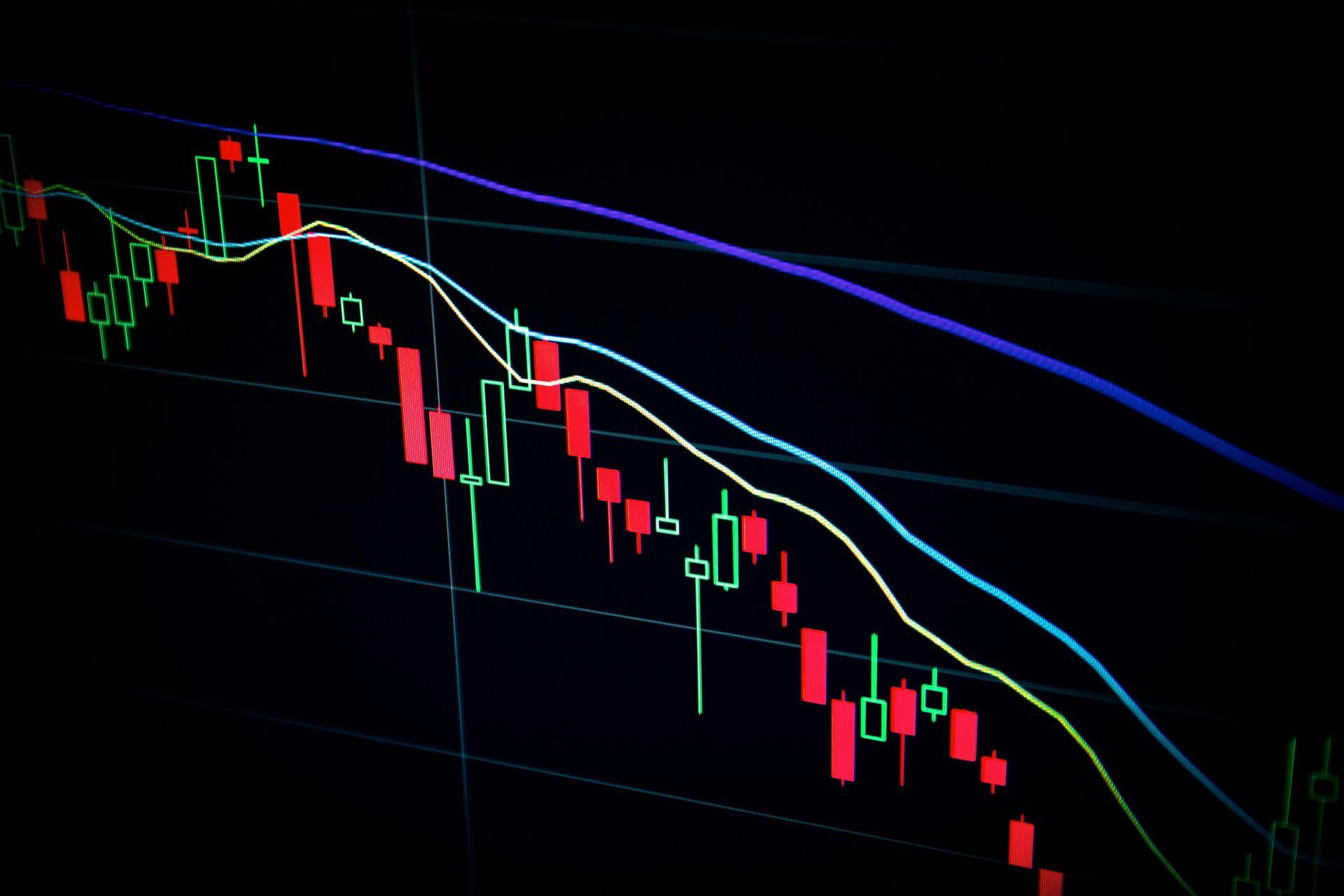
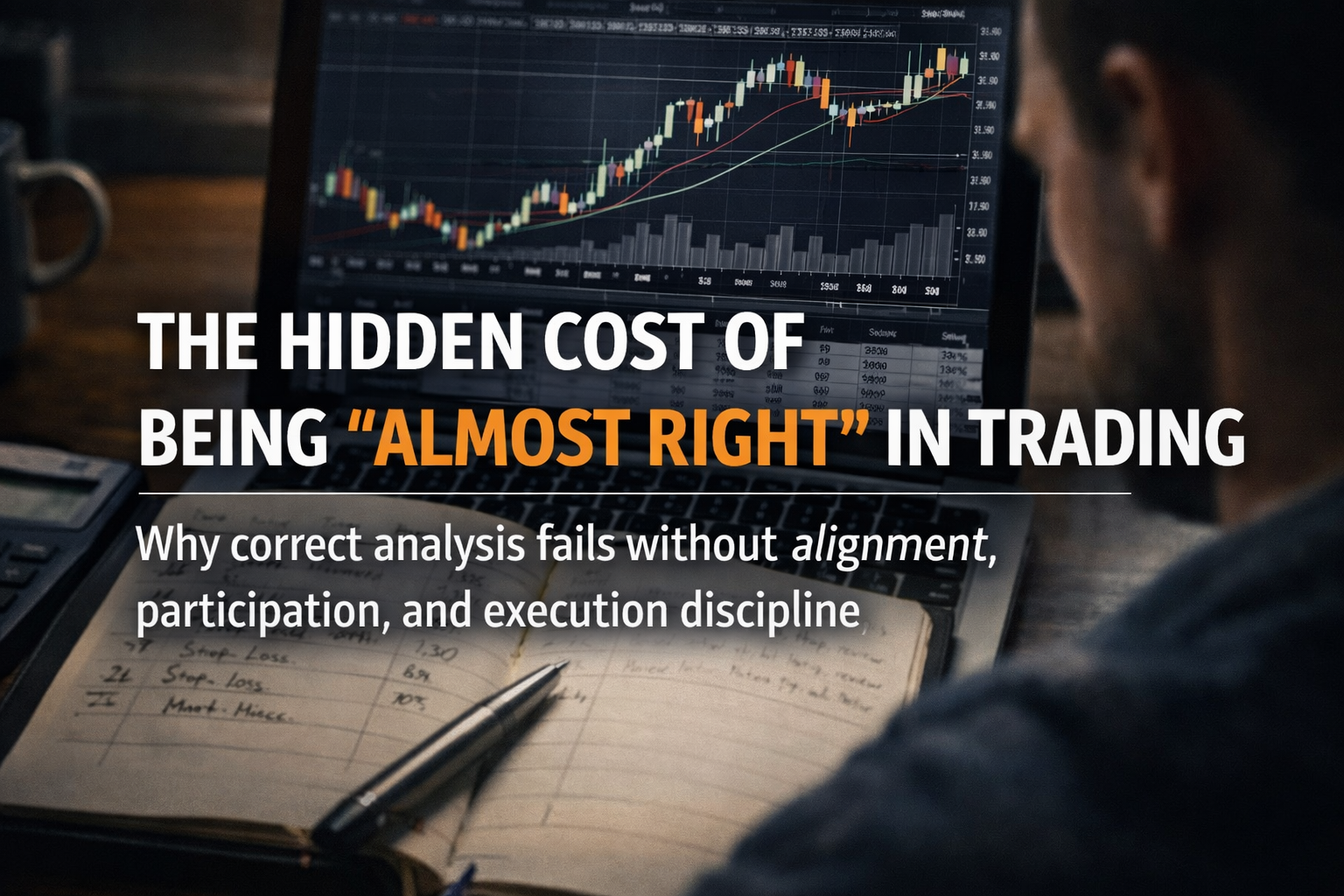
Trader reviewing charts after a stopped-out trade despite correct market direction
Being right about direction doesn’t guarantee opportunity — alignment does.

You marked the level.
You called the direction.
And somehow — you still lost money.

Most traders experience this far more often than outright bad analysis. The market eventually moves the way they expected… just not when or how they needed.

Being “almost right” is often more expensive than being completely wrong.

Why Being Right Isn’t the Same as Being Profitable

Markets don’t pay traders for correct opinions. They pay for participation during favorable conditions.

Direction alone is meaningless without timing, volatility, and liquidity alignment. This is why traders with solid analysis still experience death by a thousand small losses.

CORE IDEA

You can be right on direction and still be wrong on environment.

The Three Ways Traders Lose While Being “Almost Right”

1) Too Early

The idea was right — but participation hadn’t arrived. Early entries bleed capital while waiting for confirmation that never comes (or comes after you’re already stopped out).

2) Wrong Environment

Neutral or mixed conditions punish conviction. Even correct direction struggles when volatility and structure don’t support follow-through.

3) Poor Execution Structure

Stops placed without context, forced entries after hesitation, and emotional management decisions turn good analysis into poor outcomes.

The Common Thread

These aren’t intelligence problems. They’re alignment problems — context, participation, and execution not matching.

How Professionals Think Differently

Professional traders don’t aim to be right. They aim to be aligned.

PROFESSIONAL FRAME
  • Context before conviction
  • Participation before prediction
  • Execution before emotion

This is why professionals pass on trades that “make sense.” Opportunity is not about agreement — it’s about conditions. Being selective is not a lack of confidence; it’s a sign of competence.

No-trade is a position. Waiting is a skill.

The Real Cost of Forcing “Almost Right” Trades

The damage isn’t just financial — it’s psychological. “Almost right” losses feel unfair, so traders often respond by pressing harder instead of stepping back.

Traders who keep forcing correct ideas begin to:

  • Over-adjust stops and targets
  • Chase confirmation instead of waiting for it
  • Trade emotionally after being “validated” by later price movement
  • Lose trust in their process and start improvising

This is how discipline erodes — not through recklessness, but through frustration.

A Better Question to Ask Before Every Trade

Is the market offering opportunity right now — or just agreement?

That single question protects capital, confidence, and longevity. Agreement can happen in terrible conditions. Opportunity shows up when the environment supports follow-through.

If you adopt one professional habit from this post, let it be this: trade less often, but with more alignment.

Stop being “almost right” and start trading with alignment

If you’re consistently calling direction but struggling with execution and follow-through, a structured process makes the difference. Book a free consultation or explore professional trading courses.

Educational content only. Trading involves risk. Past performance does not guarantee future results.
Recent Posts

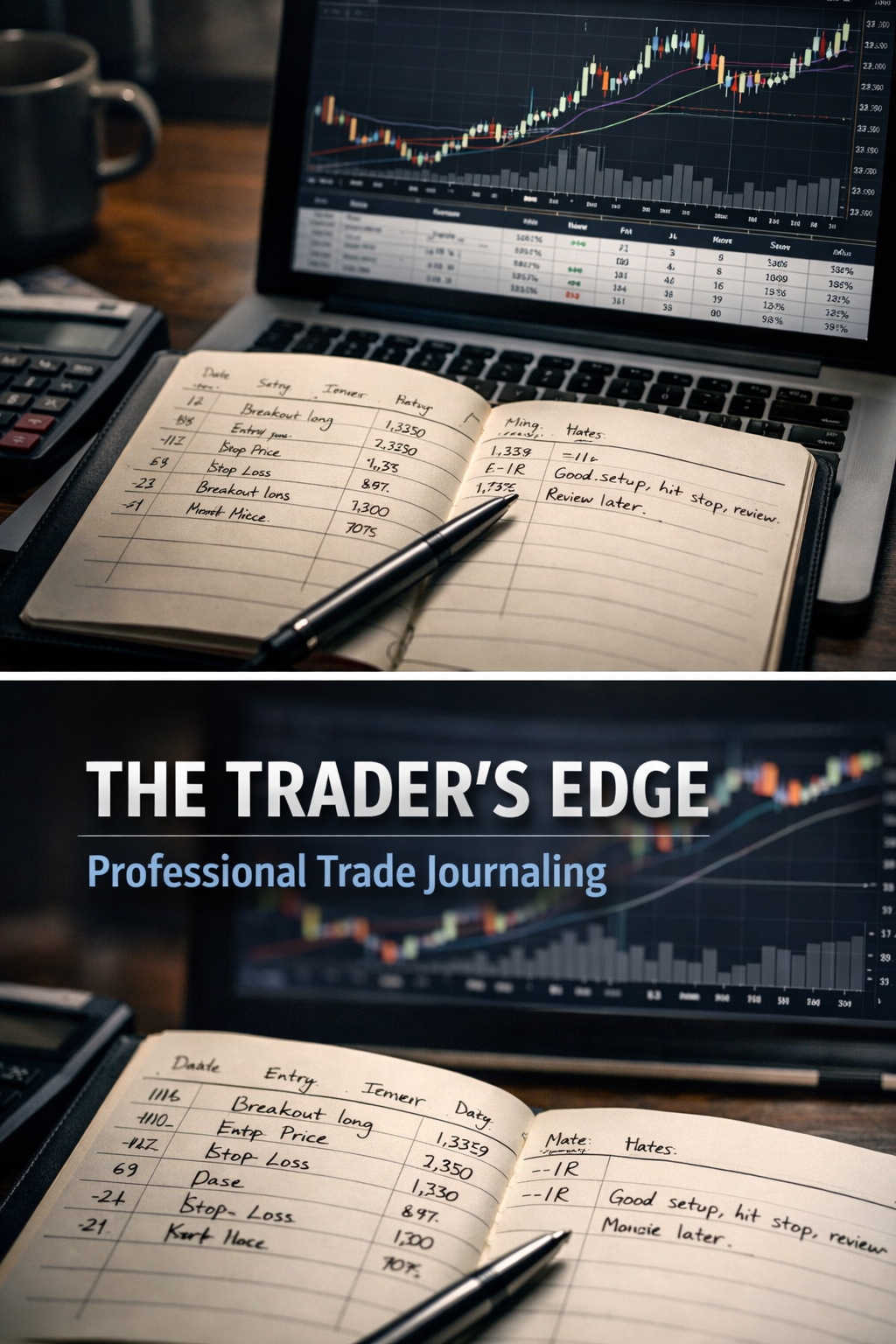
Professional trade journal open beside a laptop chart for tracking execution and performance
By Richard O. Zamora III: CMT January 11, 2026
Learn how to build a professional trade journal that measures decisions, tracks R-multiples, and improves consistency through structured review.
CMT Futures Chart: 2-Step Reversal Strategy with RSI Divergence and EMA confirmation
By Richard O. Zamora III; CMT December 13, 2025
Master futures market reversals. Learn the 2-step CMT-backed strategy using divergence and EMA confirmation for disciplined, rules-based entries
CMT Recovery Plan journal showing transition from emotional Revenge Trading to Guaranteed Discipline
By Richard O. Zamora III; CMT December 13, 2025
Stop emotional trading! Get the CMT Trader's Recovery Plan. Learn the mandatory routine to halt revenge trading and guarantee psychological control.
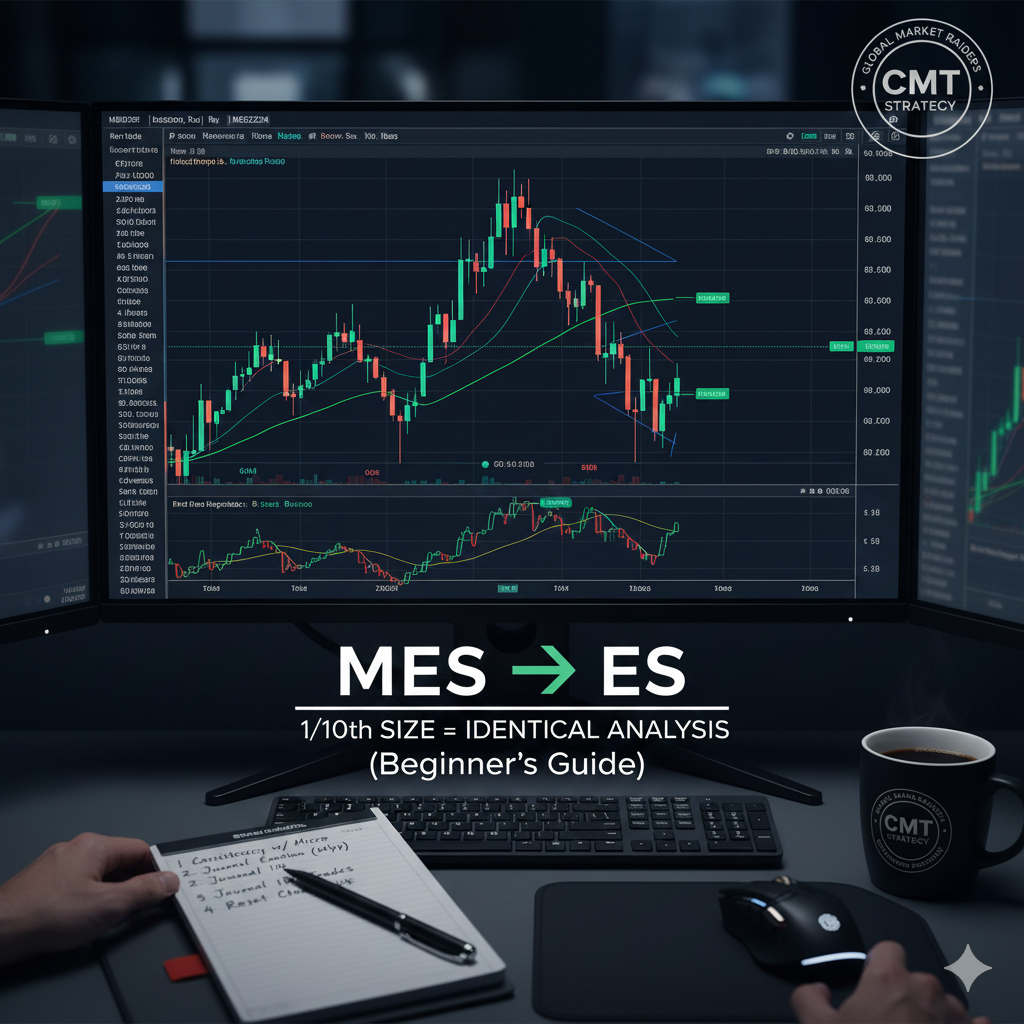
Professional multi-monitor trading desk displaying Micro E-mini (MES, MNQ) and E-mini futures charts
By Richard O. Zamora III; CMT December 13, 2025
Unlock Micro E-mini Futures (MES/MNQ) for smaller accounts. Apply transferable CMT principles and a structured plan to safely scale your trading.
WTI Crude Oil futures charts on a screen with an oil refinery and global map in the background.
By Richard O. Zamora III; CMT November 14, 2025
Trade WTI Crude Futures systematically. Learn counter-trend setups, manage high volatility with ATR sizing, and trade around EIA inventory reports.
Systematic day trading setup showing screens with NASDAQ NQ futures charts and a high-tech graphic.
By Richard O. Zamora III; CMT November 14, 2025
Master NASDAQ Futures (NQ/MNQ) with a systematic checklist. Use VWAP and EMAs for momentum trades and calculate your true edge using Expectancy.
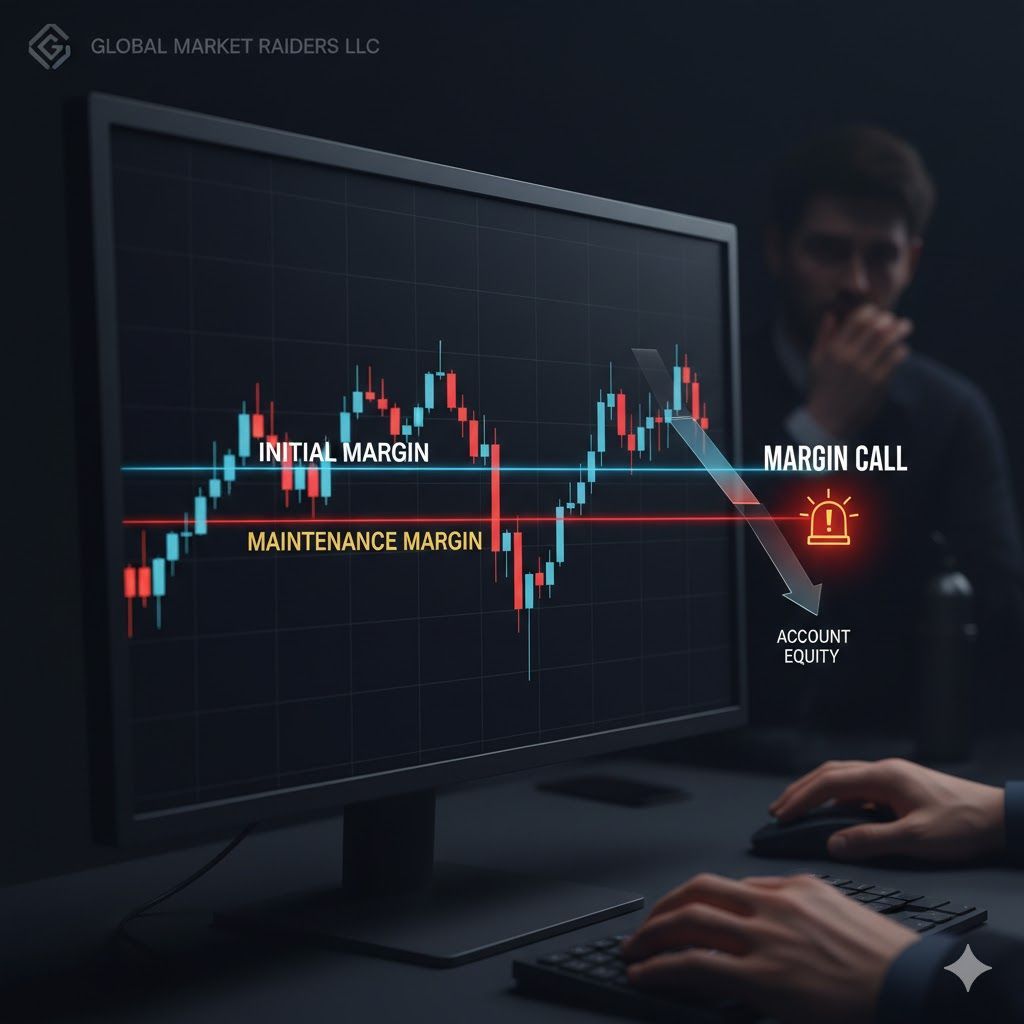
Chart showing Initial Margin, Maintenance Margin, and a Margin Call alert for futures trading.
By Richard O. Zamora III; CMT November 9, 2025
Avoid margin calls! Understand the critical difference between Initial Margin and Maintenance Margin in futures trading. Learn to manage risk for E-mini contracts.
E-Mini S&P 500 futures (ES) chart showing trend, gap, and breakout day trading strategies.
By Richard O. Zamora III; CMT November 8, 2025
Master E-Mini S&P 500 futures (ES) trading. Learn the 3 foundational strategies for beginners: trend-following, gap fills, and breakouts. Start your high-leverage day trading journey.
Safely plan your transition to full-time trading: capital, structure, and freedom blueprint.
By Richard O. Zamora III; CMT November 1, 2025
Before you resign, read this. We cover the capital needed, the Phased Transition Plan, and the structure required to safely achieve financial freedom through trading
Visualizing five fatal trading mistakes and GMR's structural risk prevention.
By Richard O. Zamora III; CMT November 1, 2025
Learn the 5 fatal mistakes (Stop-Loss, FOMO, Revenge Trading) that destroy trading accounts. Get the GMR blueprint for professional risk management and guaranteed structure.
Show More