The Fatal Flaw: How Revenge Trading Destroys Expectancy
Every trader has felt it: that raw, boiling urge after a loss—or a string of them—to instantly jump back into the market and "get it back." You’re not trying to execute a plan; you're just trying to settle a score. This is not trading; this is
Revenge Trading, and it is one of the five fatal mistakes that instantly blow up a new trader’s account.
At Global Market Raiders, we understand that trading success is rooted in
guaranteed structure and psychological control, not emotion. If you've ever felt like your finger is stuck on the mouse button after a red trade, you need to implement a mandatory, structured routine—the kind that removes fear and greed.
The Emotional Trade: Why Losses Trigger the Need to "Get It Back"
Revenge trading is born from two powerful, destructive forces:
Ego and the
Sunk Cost Fallacy.
- Ego: The market is a brutal, objective truth-teller, and a loss feels like a personal slight. You believe you are right, and you feel compelled to prove the market wrong immediately.
- The Sunk Cost Fallacy: You’ve spent capital (money and time), and your brain tells you the only way to justify that investment is to recover it now.
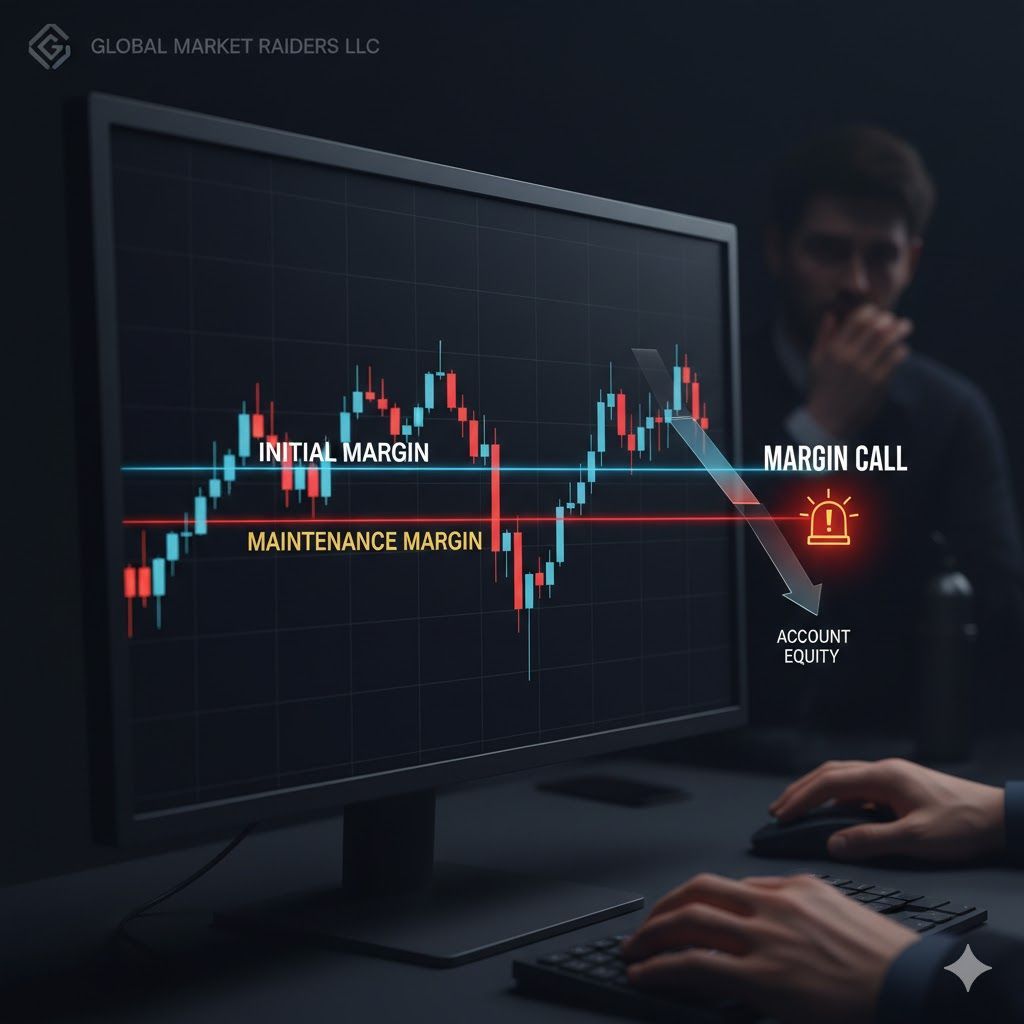
You abandon your systematic checklist and position sizing rules, double your risk, and chase momentum, often resulting in a margin call—the ultimate sign of emotional failure.
How revenge trading destroys expectancy? By turning one small, defined loss into an undefined, uncontrolled disaster.
The CMT Mandatory Recovery Plan: Structured Steps to Stop the Bleed
We don't just teach technical analysis; we teach the discipline required to use it. Our ability to provide actionable trading advice is validated by the Chartered Market Technician (CMT) designation. This guarantee ensures your guidance is rooted in time-tested, professional analysis and, most importantly,
structure.
Here is the GMR blueprint for professional risk management and guaranteed structure:
Step 1: The "15-Minute Rule" for Immediate Halt
As soon as your stop-loss is hit or you realize a trade is fundamentally broken, you must immediately implement an enforced minimum 15-minute shutdown.
- Action: Physically step away from your trading station.
- Purpose: This hard stop breaks the neural pathway between emotional stimulus (the loss) and emotional response (the urge to trade). The trade cannot be entered because you are nowhere near the computer.
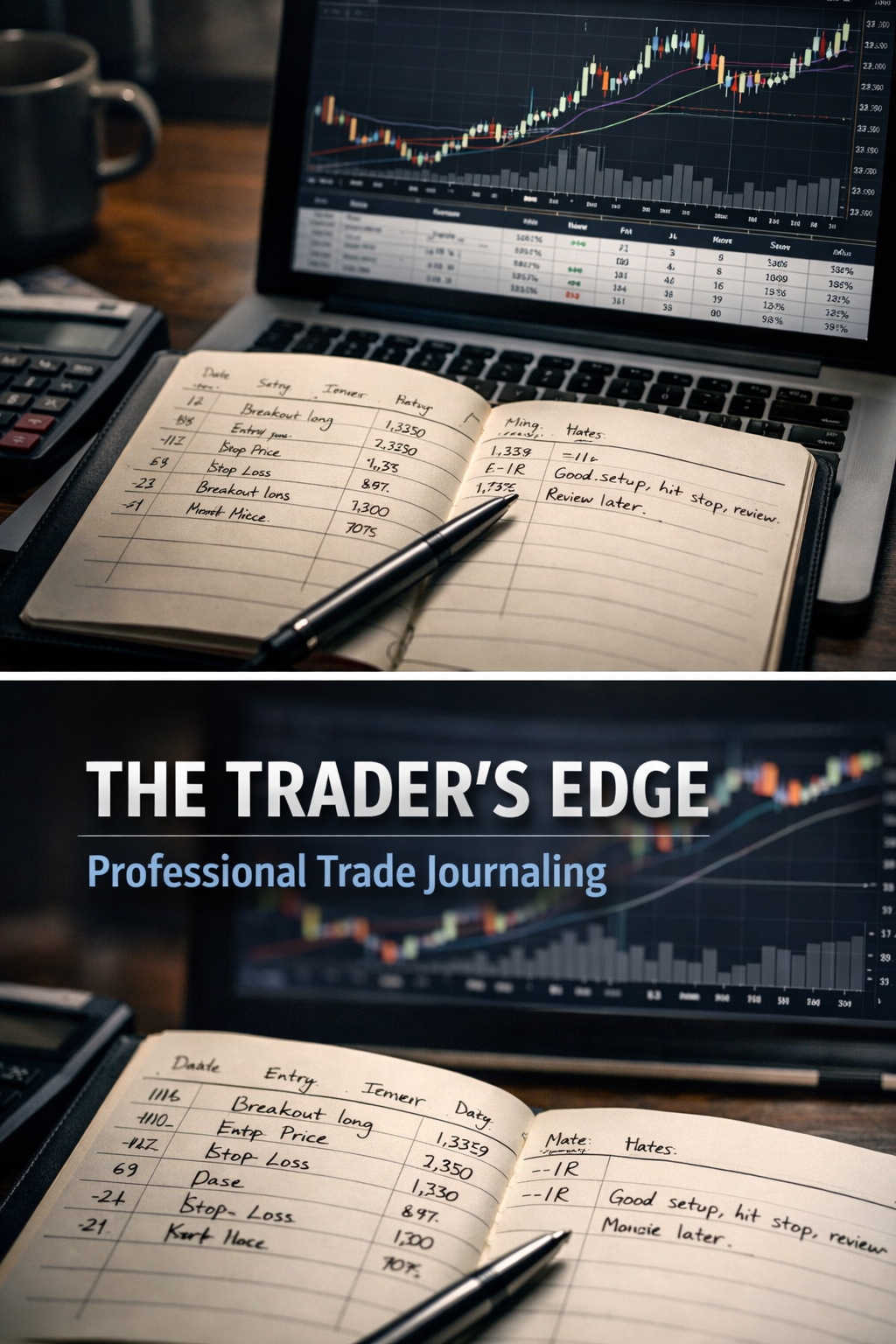
Step 2: Journaling the Emotional Trigger
You cannot fix what you cannot define. This step turns a random emotional event into actionable, structured data.
- Action: Write down exactly why you took the loss and, separately, why you felt the need to enter a revenge trade.
- Example: "I lost because I entered before the EMA crossover, and I tried to revenge trade because I felt embarrassed by the size of the loss."
- Purpose: This objective assessment forces you to confront the lack of structure and discipline, which is mandatory for growth.
Step 3: Resetting to the Rules-Based Trading Environment
You are never allowed to re-enter the market unless you have confirmed two things:
- The Time Confirmation: The 15-minute cool-down period has elapsed.
- The Checklist Confirmation: You must pull up your
NQ Execution Checklist or similar systematic plan and review the first three steps before looking at a chart. You must confirm the market condition is still valid for a high-probability trade according to your rules.
If the market condition is not ideal, you are done for the day. You have successfully completed your
GMR recovery plan.
Guaranteeing Discipline: The Professional Routine That Removes Fear and Greed
Stop gambling on training. Learning the mandatory GMR recovery plan and implementing this structured routine is the core mindset shift that turns new traders into market raiders.
Our CMT Guarantee provides professional structure, psychological control, and certainty before you trade with live capital.
Trust your source. Trust the standard.
Read More: See why Our Curriculum is CMT-Backed and learn more about the Structured Routine that guarantees discipline.